



G99 Approval Delays Are Affecting Solar Customers Across the UK

As demand for solar panels continues to grow across the UK, many homeowners are discovering that one part of the installation process can take longer than expected: G99 approval.

The issue recently received national attention after being discussed on BBC Radio 4’s You and Yours, highlighting the frustration many consumers are experiencing while waiting for permission to connect their solar systems to the electricity network.

If you’ve been told your solar installation requires G99 approval, or you’re currently waiting for a decision from your Distribution Network Operator (DNO), you’re not alone.

In this guide, we’ll explain:

What a G99 application is
Why some solar systems require G99 approval
Why G99 delays are happening
Why installers cannot control approval times
What customers can expect during the process
How we’re supporting customers while they wait

What Is a G99 Application?

A G99 application is a formal request submitted to your local Distribution Network Operator (DNO) for permission to connect a larger-scale generation system to the electricity network.

In simple terms, it’s the process that checks whether your local electricity infrastructure can safely accommodate the energy your solar system may export back to the grid.

Most homeowners are familiar with solar panels generating electricity for their own property. However, any excess electricity can be exported onto the national grid.

For some installations, particularly:

  • Larger solar panel systems
  • Properties with battery storage
  • Three-phase supplies
  • Systems capable of higher export levels

The DNO needs to carry out an assessment before approving the connection. This assessment is known as a G99 application.

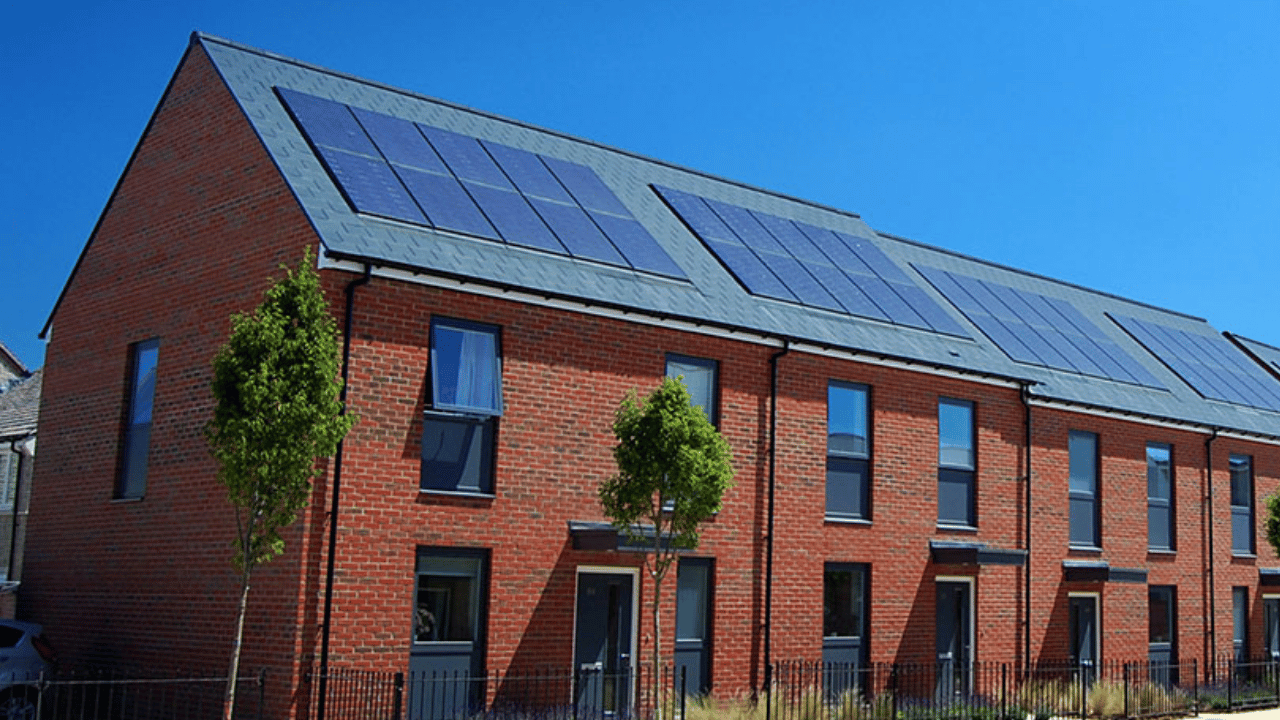
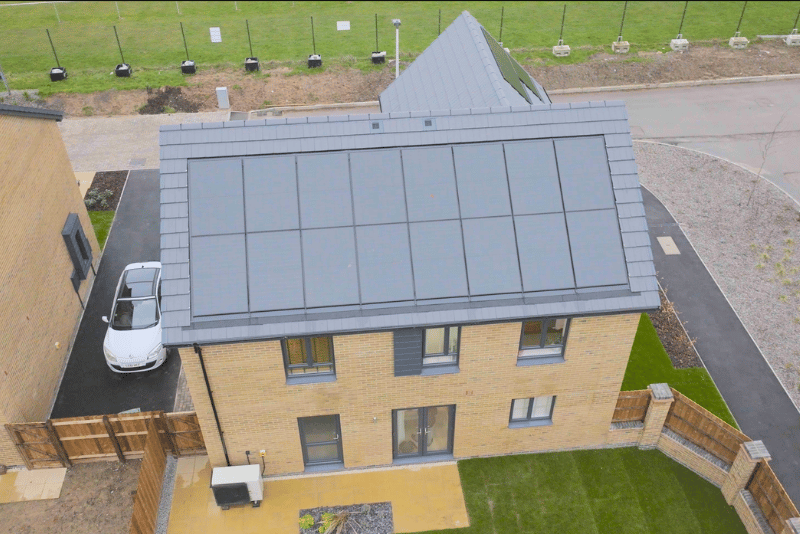
New Build Development with Solar Panels
What Is the Difference Between G98 and G99?

One of the most common questions we receive is:

“Do I need G98 or G99?”

The answer depends on the size and export capability of your system.

G98

Smaller systems that fall within predefined limits can often be installed and connected, with notification provided to the DNO afterwards.

G99

Larger systems require permission before they can be fully commissioned. The purpose is to ensure the local electricity network can safely manage additional generation capacity. Your installer will determine which process applies to your installation.

Why Are G99 Approvals Taking Longer?

This is currently the biggest issue affecting many solar customers across the UK. Several factors have contributed to increased waiting times:

1. Record Demand for Solar Panels

Rising energy costs and increased awareness of renewable energy have driven significant growth in solar installations. More installations naturally mean more grid connection applications.

2. Increased Pressure on Electricity Networks

The UK's transition towards renewable energy has resulted in significantly higher numbers of connection requests for: Solar panels Battery storage systems, Heat pumps, Electric vehicle charging infrastructure . Distribution Network Operators are processing more applications than ever before.

3. Regional Variations

Different DNOs serve different areas of the country. As a result, approval times can vary significantly depending on: Your location, Local network capacity, Current application volumes, Complexity of the installation. Some applications are processed relatively quickly, while others may take considerably longer.

Why Your Solar Installer Cannot Control G99 Approval Times

One of the most important things homeowners should understand is that solar installers do not make G99 decisions.

Once an application has been prepared and submitted, responsibility sits with the relevant Distribution Network Operator.

Your installer can:

✅ Submit the application promptly

✅ Ensure all information is accurate

✅ Respond quickly to any queries

✅ Request updates where appropriate

However, the final assessment and approval timeline remain entirely under the DNO’s control. This is why delays are being experienced across the industry rather than with any individual installer.

What Happens During the G99 Process?

The process generally follows these steps:

Step 1: System Design

Your installer designs a solar system appropriate for your property.

Step 2: Application Submission

The installer submits a G99 application to the DNO.

Step 3: Technical Assessment

The DNO reviews: Local network capacity, Existing generation in the area, Export levels, Technical compliance

Step 4: Approval

If approved, installation and commissioning can proceed.

Step 5: Network Connection

The system is connected and able to operate in accordance with the approval conditions.

How Long Does G99 Approval Take?

This is one of the most frequently searched questions online.

The honest answer is:

There is no single timescale.

Approval times can vary depending on:

Which DNO serves your area
Current application volumes
Local network constraints
Complexity of the proposal

Because these factors change continuously, it’s impossible for installers to guarantee approval dates.

Any installer promising a specific approval timeframe should be treated with caution.

What Can Homeowners Do While Waiting?

Waiting for approval can be frustrating, but there are still productive steps you can take.

Learn More About Your System

Use the time to understand:
Solar generation
Battery storage
Energy monitoring
Smart tariffs

Review Your Energy Usage

Looking at current consumption patterns can help you maximise the benefits of your future solar installation.

Prepare for Installation

Ensure access requirements and installation logistics are understood ahead of approval.

Stay In Contact With Your Installer

A good installer will continue to update you throughout the process and notify you as soon as there is progress.

How We Support Customers During G99 Delays

We understand that waiting for approval can be incredibly frustrating.

Many customers understandably feel ready to move forward and begin benefiting from their solar system as soon as possible.

While we cannot influence DNO decision-making timescales, we focus on delivering the best possible customer experience during the process.

Our team:

Submits applications promptly
Ensures paperwork is accurate
Responds quickly to requests for information
Monitors application progress
Provides customer updates
Remains available to answer questions

Transparency is incredibly important to us. Rather than making promises we cannot control, we would rather provide honest updates and realistic expectations.

G99 Delays Are an Industry-Wide Challenge

The recent national media discussion around G99 delays demonstrates that this isn’t an isolated issue. Thousands of homeowners across the country are currently experiencing similar waiting times as the UK’s electricity network adapts to increasing demand for renewable energy technologies. While the situation can be frustrating, the long-term picture remains positive. The continued growth of solar energy reflects increasing consumer demand for cleaner, more affordable energy, and the industry continues to evolve to meet that demand.

Need Advice About G99 Approval or Solar Installation?

If you’re considering solar panels and would like to understand whether your property is likely to require G99 approval, our team would be happy to help. Contact us today for expert advice on solar panels, battery storage and the grid connection process

Tîm Cartrefi Ynni Clyfar
QUALITY YOU CAN TRUST
ARTICLES
Gweld y cyfan
G99 Delays: What You Need to Know

As demand for solar panels continues to grow across the UK, many homeowners are facing unexpected delays due to the G99 approval process. These delays are affecting consumers nationwide and are often outside the control of solar installers. In this guide, we explain what G99 approval is, why delays are happening, what homeowners can expect, and how we're supporting customers while they wait.

Parhewch i ddarllen
What Does EPC Rating F Mean?

An EPC rating of F indicates that a property has poor energy efficiency and may be losing more heat than necessary, leading to higher energy bills and reduced comfort. In this guide, we'll explain what an EPC F rating means, the common causes of a low rating, and the practical improvements that can help boost your home's energy performance.

Parhewch i ddarllen
EPC Rating
What Does EPC Rating E Mean?

Wondering what an EPC rating E means for your property? An EPC rating of E indicates that a home has below-average energy efficiency and could benefit from improvements such as insulation, solar panels or heating upgrades. In this guide, we'll explain what an EPC E rating means, how it affects energy bills, and practical ways to improve your home's energy performance.

Parhewch i ddarllen
New Build Development with Solar Panels
Wales’ Solar Mandate

From March 2027, Wales will require renewable electricity generation in every new‑build home - effectively making solar the go‑to choice for developers. Published: March 17, 2026

Parhewch i ddarllen
Esboniad o Bwysedd Boeler

Boiler pressure plays a key role in keeping your heating system running safely and efficiently. Learn what it should be and how to fix common pressure issues. Published: January 27, 2026

Parhewch i ddarllen
Boiler Replacement: Guide for Homeowners

Old or unreliable boiler? Discover when it’s time to replace it and how a modern system can improve efficiency and comfort. Published: January 27, 2026

Parhewch i ddarllen