

Did you know your home’s Energy Performance Certificate (EPC) rating can reveal why your energy bills are higher than expected and highlight ways to improve your property’s energy efficiency?

Whether you’re a homeowner, landlord, buyer or tenant, checking your EPC rating is one of the quickest ways to understand how energy-efficient a property is and what improvements could help reduce energy consumption.

In this guide, we’ll explain how to check your EPC rating, what the different EPC bands mean, and how energy-efficiency improvements such as insulation, solar panels, battery storage and heat pumps can help improve your home’s performance.

What Is an EPC Rating?

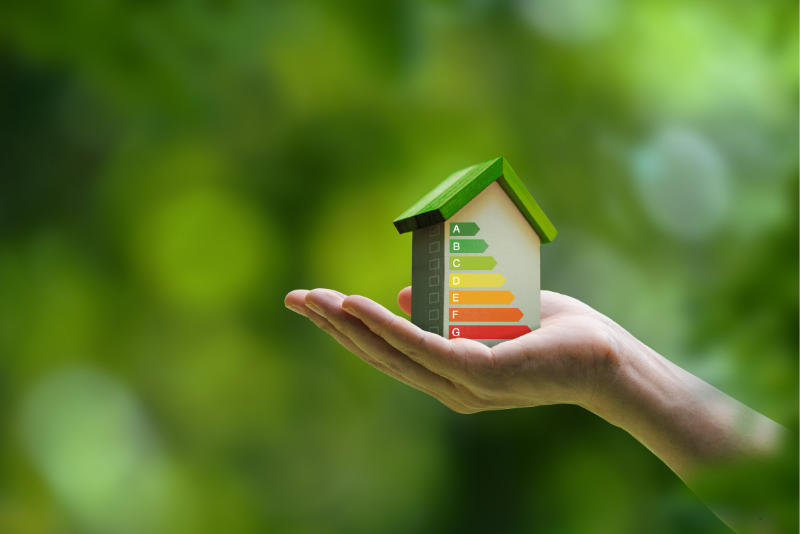
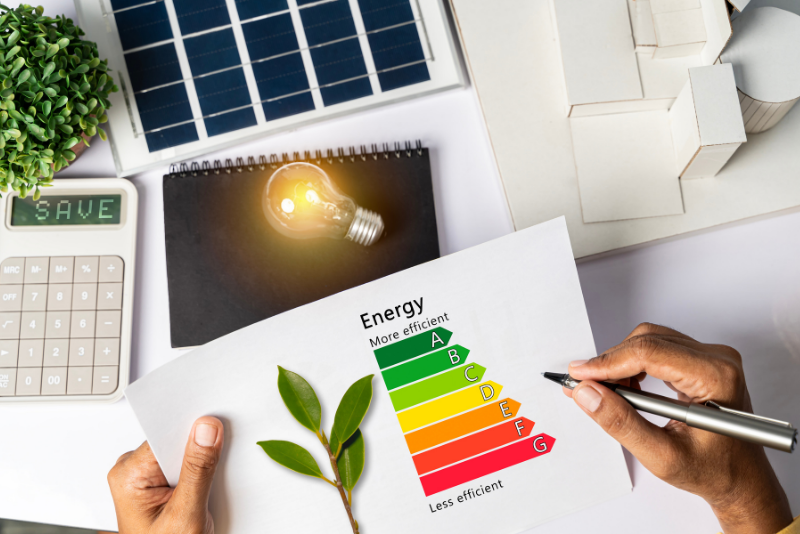
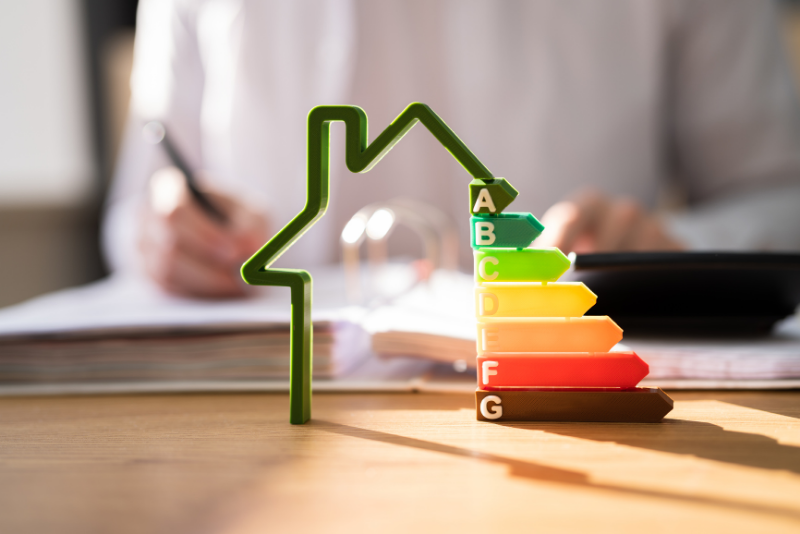
An Energy Performance Certificate (EPC) measures the energy efficiency of a property on a scale from A to G.

  • A = Most energy efficient
  • G = Least energy efficient

An EPC includes:

  • An overall energy-efficiency score
  • Estimated energy costs
  • Environmental impact information
  • Recommendations for improving efficiency
  • Potential future EPC rating after improvements

A better EPC rating can often mean lower running costs, improved comfort and a more attractive property for future buyers or tenants.

EPC rating for energy efficiency and qualifying for energy upgrade funding
How Do I Check My EPC Rating?

Checking your EPC rating is simple and free.

Step 1 – Visit the Government EPC Register

Search for your property's Energy Performance Certificate using the official Government EPC Register.

Check My EPC
Step 2 – Enter Your Address

Search using your postcode or property address. If your property has a valid EPC, you'll be able to - View the certificate, download the full report, see your current EPC rating and review recommended improvements.

Check My EPC
Step 3 – Understand Your EPC Score

The report will show your property's rating band (A-G), energy score and recommendations for improvement.

Check My EPC
Step 4 – Review Improvement Opportunities

Many EPC reports recommend upgrades such as, loft insulation, wall insulation, air source heat pumps, solar PV systems, battery storage and heating controls.

Check My EPC
What Do EPC Ratings Mean?

EPC Rating A or B

These properties are highly energy efficient and typically have lower energy costs.

EPC Rating C

Generally considered a good level of efficiency for UK homes.

EPC Rating D

A common rating for many UK properties. Improvements may help reduce energy bills and increase comfort.

EPC Rating E, F or G

These properties are often less energy efficient and may benefit from insulation, renewable energy systems or heating upgrades.

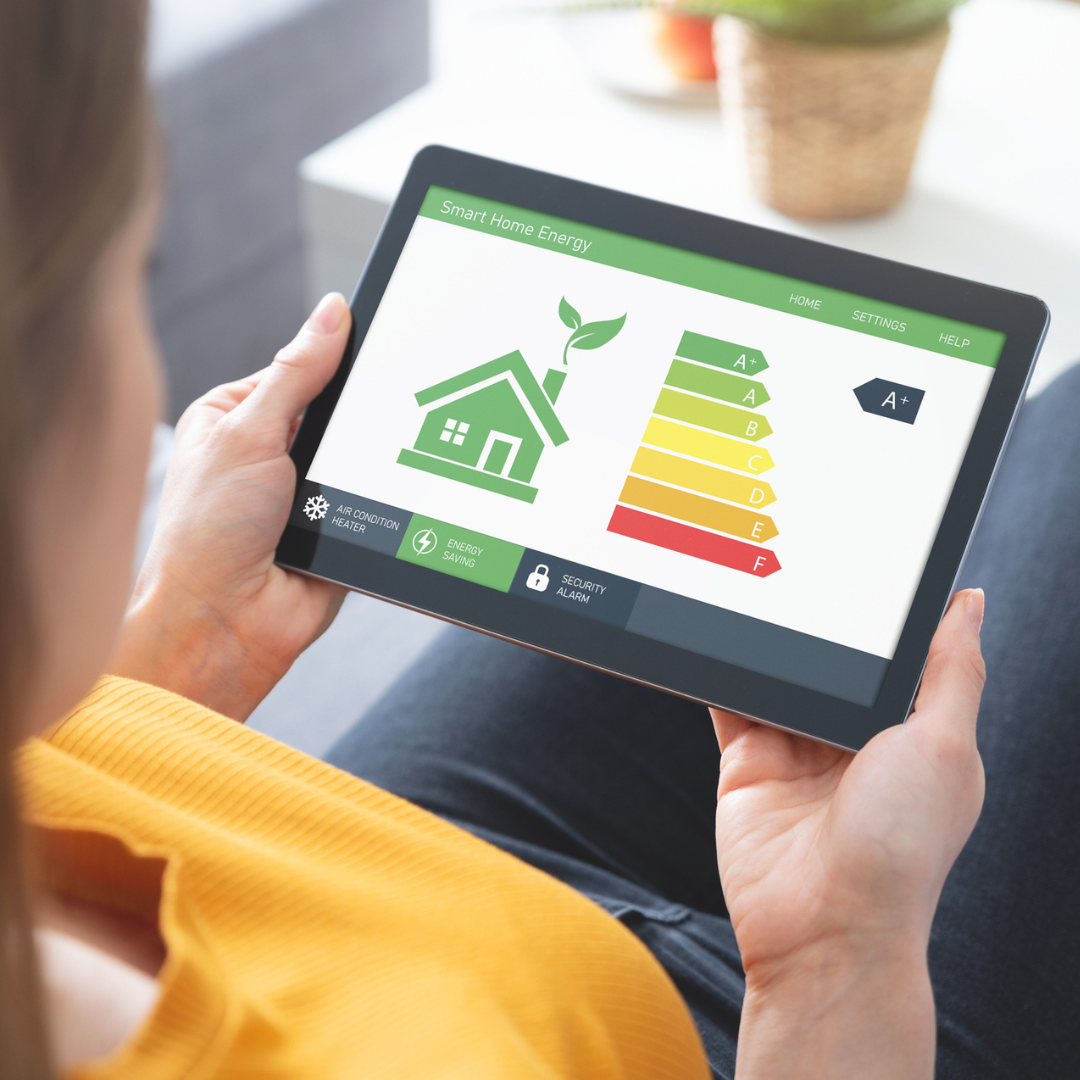
Tablet displaying a smart home energy efficiency rating app

Signs Your Home Could Benefit from Energy Efficiency Improvements

You may want to explore improvements if you experience:

Cold or draughty rooms
High energy bills
Uneven temperatures throughout the property
Older heating systems
Limited insulation
Condensation or damp issues

Improving your home’s efficiency can help reduce heat loss and lower long-term energy costs.

Smart Energy Homes Can Help

At Smart Energy Homes, we help homeowners improve energy efficiency through renewable energy and home upgrade solutions.

Our services include:

Solar Panel Installation

Generate your own electricity and reduce reliance on rising energy costs.

Battery Storage Systems

Store excess solar energy for use when you need it most.

Air Source Heat Pumps

An efficient alternative to traditional heating systems.

Insulation Solutions

Reduce heat loss and improve comfort throughout your home.

Smart Energy Team

You can check your EPC rating using the Government EPC Register by searching for your property address.

Yes. Existing EPC certificates can be viewed and downloaded free of charge.

An EPC is typically valid for 10 years.

Yes. The Government EPC Register allows you to search by property address or postcode.

Properties rated A, B or C are generally considered energy efficient.

Energy-efficiency improvements can help reduce energy consumption and improve comfort, potentially lowering household energy costs.

Want to Improve Your Home’s Energy Efficiency?

Whether you’re considering solar panels, battery storage, insulation or heat pumps, our team can help you find the right solution for your property.

Contact Smart Energy Homes today for expert advice and a free survey

ARTICLES
View all
Air Source Heat Pump Installation in Pencoed, Bridgend

Smart Energy Homes recently completed an air source heat pump installation at a rural property in Pencoed, Bridgend. The homeowner wanted to move away from an ageing oil heating system that was becoming increasingly expensive to run. Our team installed a Grant Aerona 290 9kW air source heat pump, a new 300L hot water cylinder and completed a full central heating upgrade with 13 new radiators. The project was completed over six days and benefited from support through the Boiler Upgrade Scheme.

Continue reading
Solar PV
Solar Panel & Battery Installation in Caldicot, Monmouthshire

Smart Energy Homes recently completed a 7.905kW solar panel and battery storage installation in Caldicot, Monmouthshire. Featuring 17 DMEGC all-black solar panels, a Fox ESS hybrid inverter and 11.52kWh battery storage system, the installation was designed to maximise roof space and help the homeowner reduce electricity bills while increasing energy independence.

Continue reading
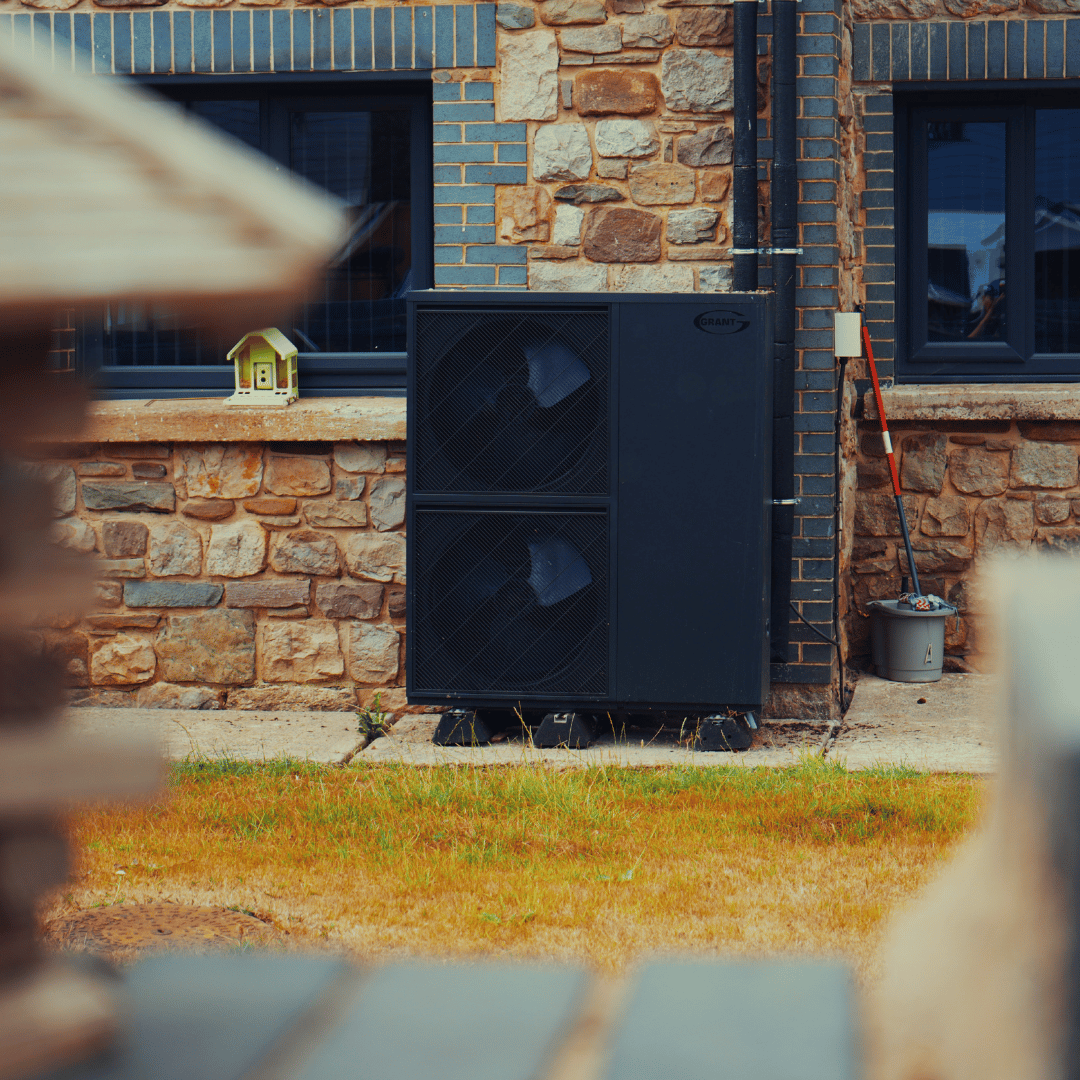
Air source heat pump unit installed on a stone patio
Air Source Heat Pump Installation in Narberth, Pembrokeshire

Looking for an air source heat pump installer in Narberth? Smart Energy Homes recently completed a Grant Aerona 290 heat pump installation at a four-bedroom bungalow in Pembrokeshire, replacing reliance on oil heating with an efficient renewable energy solution. Completed in just four days, the project included radiator upgrades, smart controls and a new hot water cylinder to maximise comfort and efficiency.

Continue reading
G99 Delays: What You Need to Know

As demand for solar panels continues to grow across the UK, many homeowners are facing unexpected delays due to the G99 approval process. These delays are affecting consumers nationwide and are often outside the control of solar installers. In this guide, we explain what G99 approval is, why delays are happening, what homeowners can expect, and how we're supporting customers while they wait.

Continue reading
Energy efficiency rating chart beside a lit lightbulb and solar panel
What Does EPC Rating F Mean?

An EPC rating of F indicates that a property has poor energy efficiency and may be losing more heat than necessary, leading to higher energy bills and reduced comfort. In this guide, we'll explain what an EPC F rating means, the common causes of a low rating, and the practical improvements that can help boost your home's energy performance.

Continue reading
EPC Rating
What Does EPC Rating E Mean?

Wondering what an EPC rating E means for your property? An EPC rating of E indicates that a home has below-average energy efficiency and could benefit from improvements such as insulation, solar panels or heating upgrades. In this guide, we'll explain what an EPC E rating means, how it affects energy bills, and practical ways to improve your home's energy performance.

Continue reading