








Wales has officially taken a landmark step in the journey toward a greener, more energy‑efficient future. From 4 March 2027, all new‑build homes in Wales will be required to include a renewable electricity system – a move that, in practice, makes solar panels the default choice for most developers. This bold policy positions Wales as the first nation in the UK to introduce such a mandate, marking a major milestone in the country’s transition to clean energy. As award winning specialist solar installers, this is a moment we’ve long been waiting for – and one we’re excited to help homeowners and developers embrace.

Why Has Wales Introduced a Solar Mandate?

The Welsh Government’s decision comes as part of an amendment to Part L of the Building Regulations, which adds a new functional requirement for renewable electricity generation in new homes and non‑domestic buildings. While the regulation doesn’t explicitly say “solar panels,” experts widely agree that solar PV will be the most practical and affordable technology to meet the requirement in nearly every instance. Solar Energy UK praised the move as “tremendous news for Wales,” highlighting that it will significantly reduce future energy bills and accelerate the nation’s progress toward net‑zero goals.

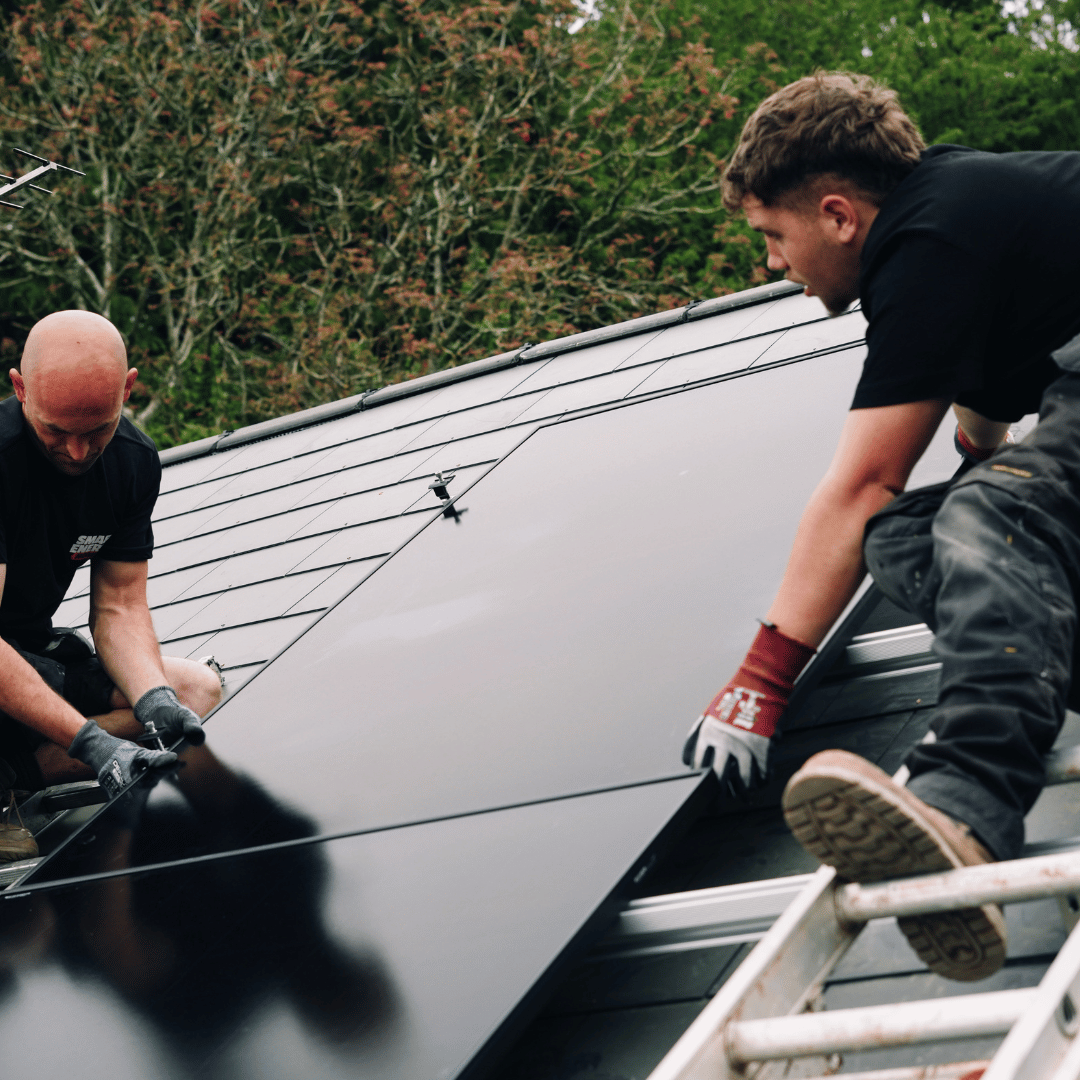
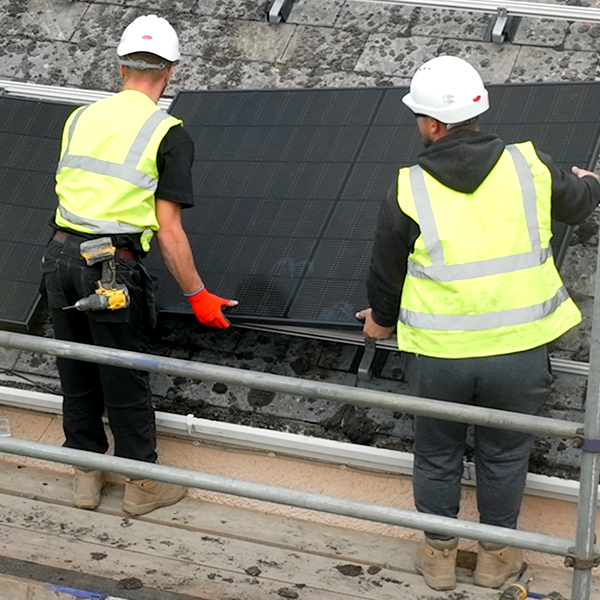
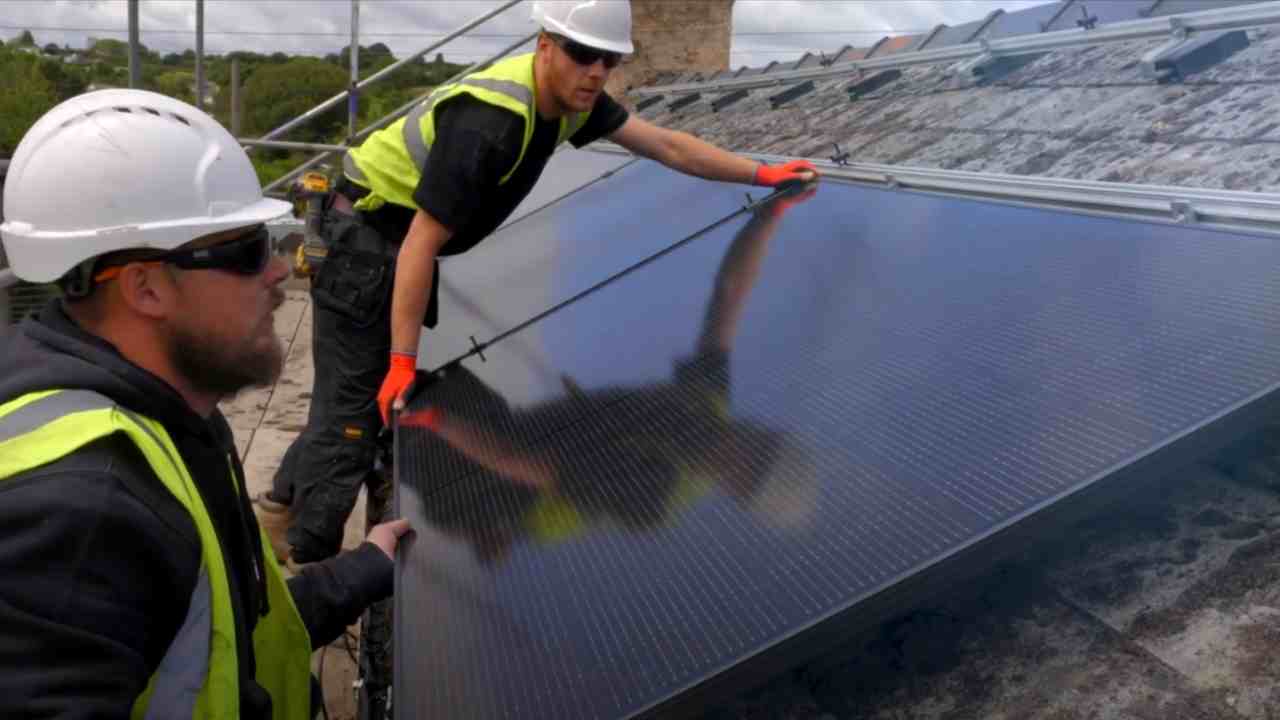
Solar Panel Install

When Will the Mandate Take Effect?

The requirement comes into force on 4 March 2027 and applies to buildings where construction has not yet started by that date. A year later, the rules will expand to include certain works under building control approval – such as major roof renovations or material changes of use.

How Will This Affect Homeowners and Developers?
1. Lower Energy Bills

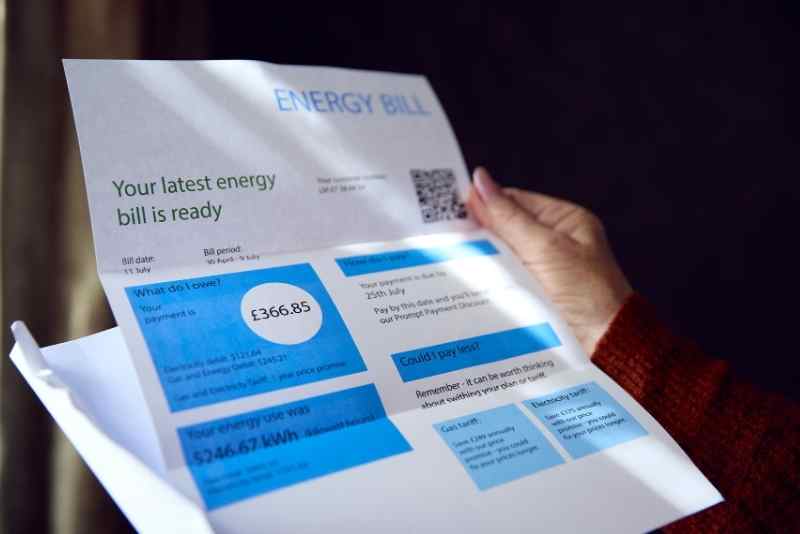
Homes with solar panels can significantly cut electricity costs - often by up to 64%, depending on system size and usage patterns. While the mandate focuses on carbon reduction, the financial benefits for new homeowners will be substantial.

2. Increased Property Value

New-build homes equipped with solar power automatically gain stronger EPC ratings, making them more attractive in an increasingly sustainability‑aware housing market.

3. Practical Flexibility for Challenging Sites

Wales has included a sensible safeguard: if a building cannot accommodate a system generating at least 720 kWh per year, the requirement does not apply. This prevents impractical “token” installations and ensures solar systems are only fitted where they’re genuinely effective.

How Does Wales Compare to the Rest of the UK?

Wales is leading the charge, but the rest of the UK is not far behind:

  • England: The upcoming Future Homes Standard is expected to “all but mandate” solar on new homes when finalised in 2026. Already, more than 40% of new homes in England are built with solar panels pre-installed.
  • Scotland: No solar mandate yet; recent regulatory plans fell short on renewable requirements.
  • Northern Ireland: Energy efficiency requirements have tightened, and mandatory solar installation is increasingly likely.

This places Wales at the forefront of UK solar innovation, setting a national precedent.

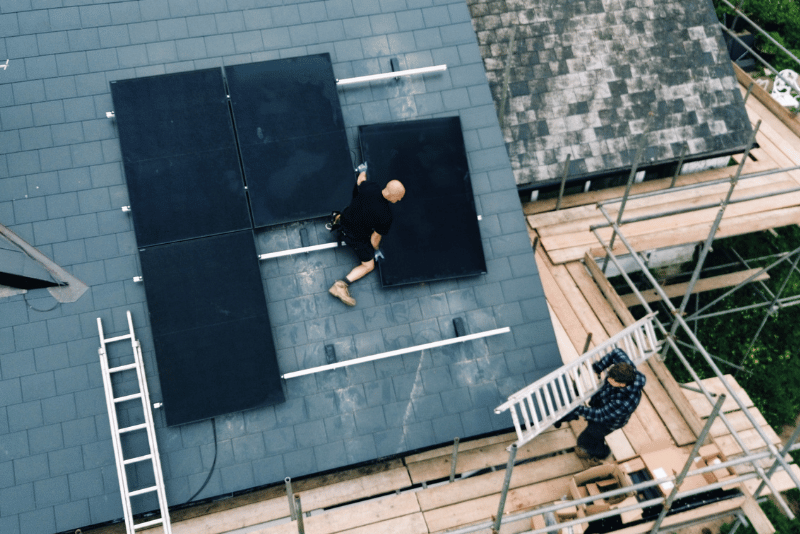
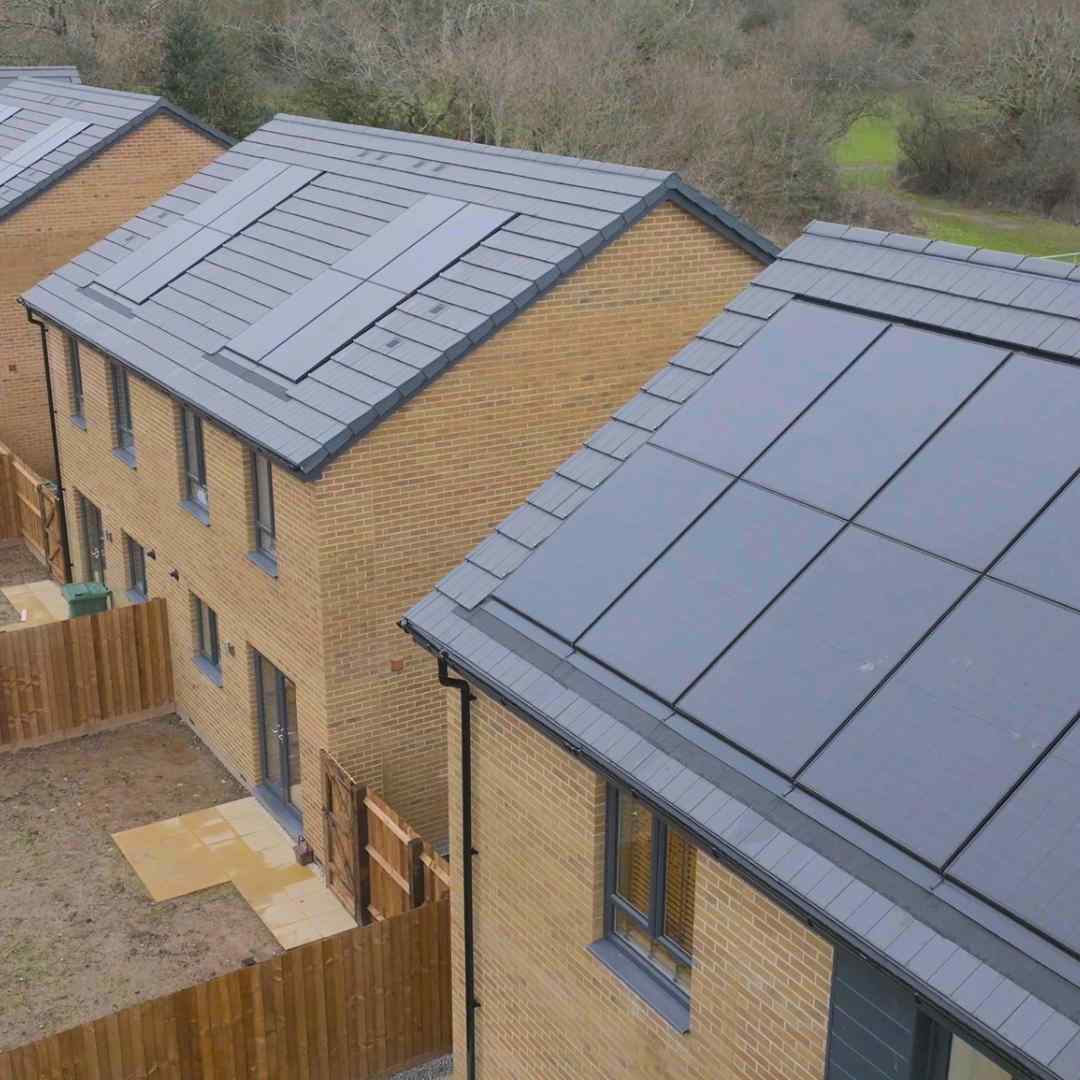
Aerial view of a new-build house with solar panels installed

Why This Is a Huge Step Forward for Smart Energy Homes

For us, and for homeowners across Wales – this is more than just policy. It represents a new era where:

Smart, efficient, low‑carbon homes become the standard.
Energy independence is within reach for every household.
Developers embrace renewable-first planning from day one.

As award winning solar installation specialists, we’re ready to support homeowners, architects, and builders in designing systems that go beyond the regulatory minimum. With battery storage, smart energy controls, EV charging integration, and solar‑optimised home designs, Welsh homes can become leaders in the UK’s transition to a decentralised, renewable energy grid.

What Should Homeowners & Developers Do?

Even though the mandate formally begins in 2027, early planning delivers clear advantages:

  • Developers can future‑proof upcoming projects and avoid redesigns later.
  • Homeowners building or renovating now can benefit immediately from lower bills.
  • Retrofit opportunities (like roof replacements) will soon fall under the expanded rules – making now the ideal time to install.

If you’d like guidance on choosing the right solar setup or designing a fully integrated smart energy home, our team is here to help.

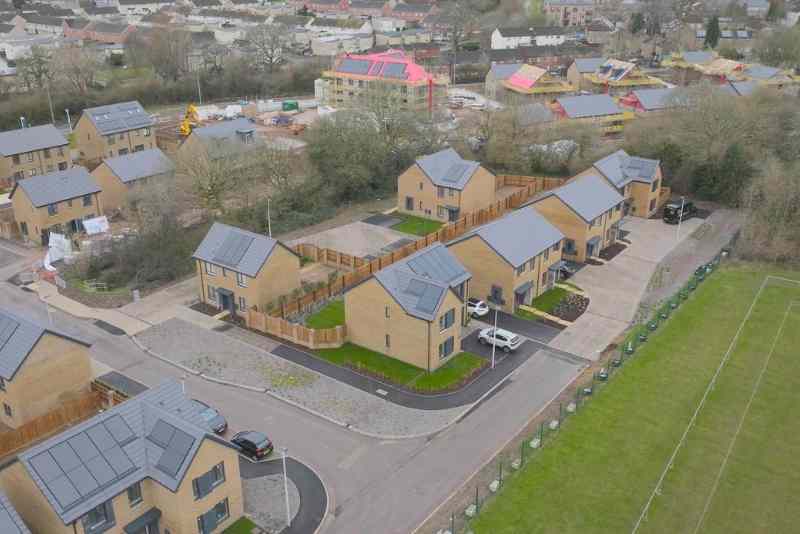
Zero Bills Homes Development
Looking Ahead: A Solar‑Powered Wales

With this mandate, Wales isn’t just updating its building regulations – it’s reshaping its energy landscape. By ensuring every new home generates its own clean power, the country is taking a decisive step toward carbon neutrality and energy resilience. And as installers committed to building smarter, greener homes, we’re proud to be part of this transformation.

Smart Energy Homes Team

GET IN TOUCH

Step 1 of 2

What services do you want to talk about?(Required)
Select one or more of the following services your interested in.

QUALITY YOU CAN TRUST
ARTICLES
View all
EV Charger Installation in Bridgend, South Wales

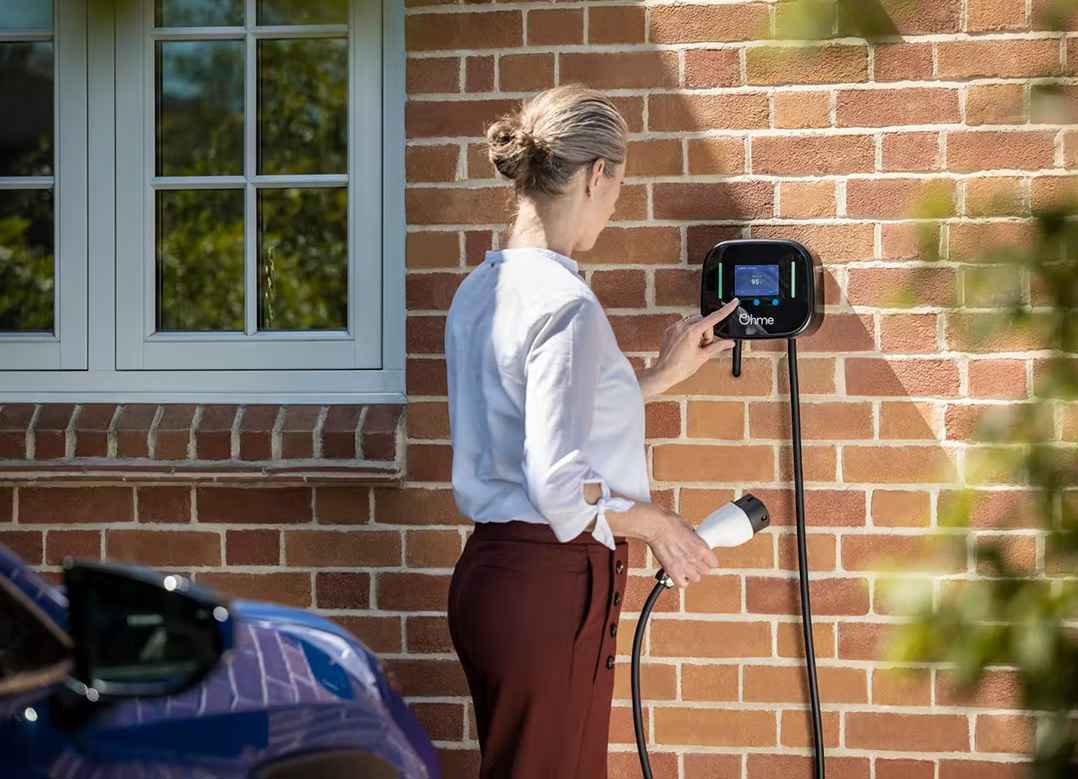
Smart Energy Homes recently completed an EV charger installation in Bridgend, helping a homeowner prepare for the switch to electric vehicle ownership. Having already chosen an Ohme EV Pro charger, the customer wanted a smart, reliable charging solution installed ahead of receiving their vehicle. The result is a convenient home charging setup designed for both efficiency and future flexibility.

Continue reading
EV Charger Installation in Newport, South Wales

Smart Energy Homes recently completed an EV charger installation at a property in Newport, helping the homeowner charge their electric vehicle more conveniently at home. The customer already owned an EV and wanted a cost-effective charging solution that would help reduce running costs while preparing for potential future solar and battery storage upgrades.

Continue reading
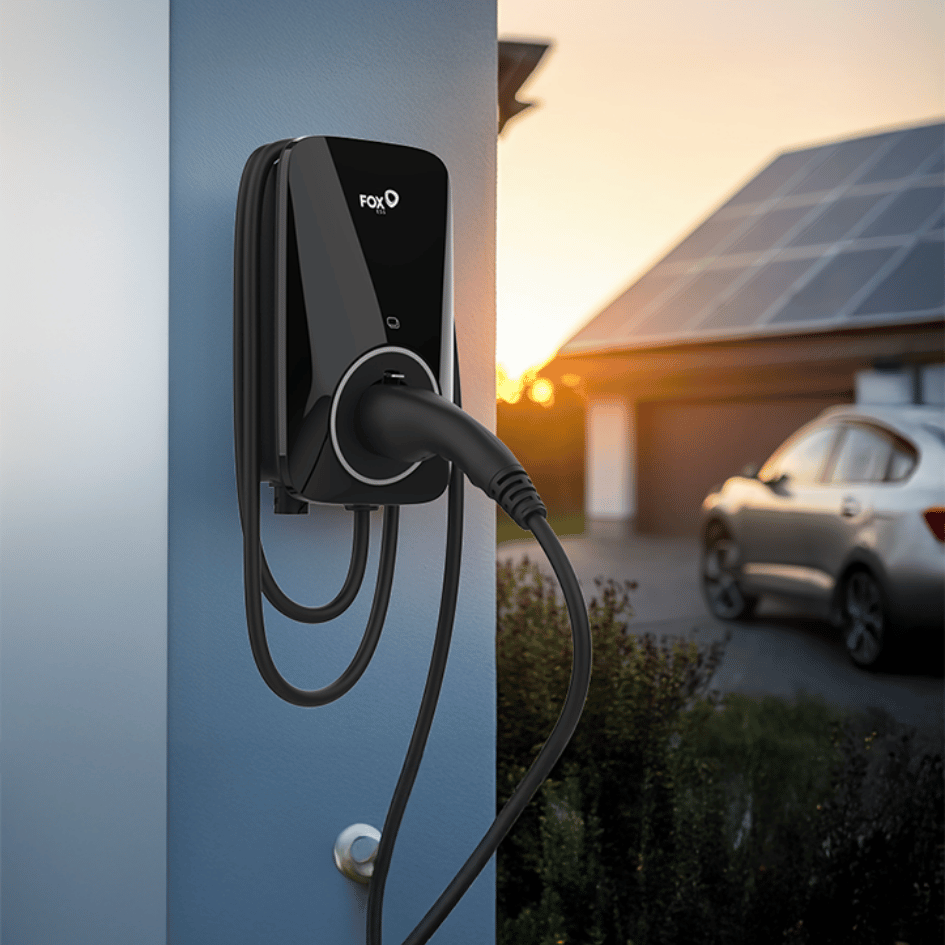
FoxESS EV charger installed outside a home
EV Charger Installation in Cam, Gloucestershire

Smart Energy Homes recently completed an EV charger installation at a detached property in Cam, Gloucestershire. The homeowner was planning to purchase an electric vehicle and wanted a reliable, cost-effective home charging solution ready for when their new vehicle arrived. Following a survey, our team installed a Fox ESS EV charger, providing convenient and future-ready home charging.

Continue reading
Solar Panel and Battery Installation in Llandenny, Monmouthshire

Smart Energy Homes recently completed a large solar panel and battery storage installation at a property in Llandenny, Monmouthshire. The homeowner wanted to reduce reliance on expensive peak-rate electricity and maximise renewable energy generation. The completed system includes 24 DMEGC solar panels, a 7kW FoxESS inverter and over 23kWh of battery storage capacity, helping the property make the most of self-generated energy.

Continue reading
Solar Panel and Battery Upgrade Installation in Aberdare

Smart Energy Homes recently completed a solar and battery storage upgrade at a four-bedroom semi-detached home in Aberdare. The homeowner already had a 4kW solar PV system and 10kWh battery installed but wanted to expand their renewable energy setup with additional panels and increased battery capacity to maximise savings and energy independence.

Continue reading
Solar Panel Install
Solar Panel & Battery Installation in Port Talbot

Smart Energy Homes recently completed a solar panel and battery storage installation at a three-bedroom end-of-terrace home in Port Talbot. The homeowner wanted to reduce electricity bills and make better use of a south-facing roof. The completed system features 16 DMEGC solar panels, a Fox ESS hybrid inverter and an 11.52kWh battery, helping maximise renewable energy generation and storage.

Continue reading