


What Is an EPC Rating F?

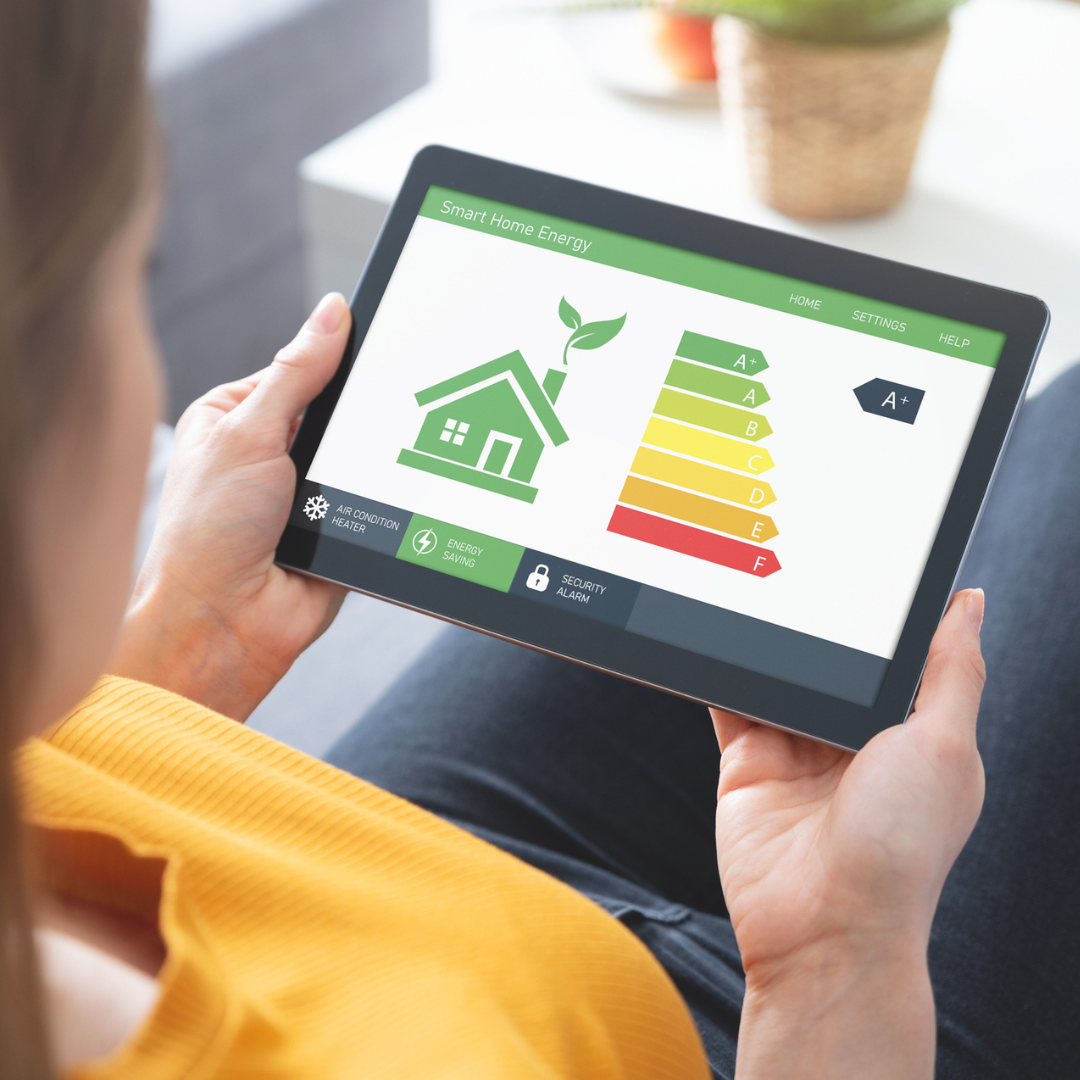
An EPC rating of F indicates a property has poor energy efficiency and may require significant improvements to reduce energy consumption and improve comfort.

Properties rated F are among the least energy-efficient homes in the UK, sitting just above a G rating.

Why Does My House Have an EPC Rating F?

An EPC rating of F can result from a number of factors, including poor loft insulation, uninsulated walls, single-glazed windows, older heating systems, inefficient electric heating, and significant draughts that allow heat to escape from the property. Many older homes receive an F rating because they were built before modern energy-efficiency standards were introduced and therefore lack the insulation and energy-saving features commonly found in newer properties.

Problems With an EPC Rating F

Properties with an EPC rating of F often experience a range of issues that can affect both comfort and running costs. Energy bills are typically higher because more energy is needed to maintain a comfortable indoor temperature. These properties can also suffer from cold rooms, as heat escapes quickly through poorly insulated walls, roofs and floors. As a result, heating systems often have to work harder and run for longer periods, reducing overall energy efficiency and increasing household energy costs. In addition, properties with lower EPC ratings may be less attractive to potential buyers and tenants, as energy efficiency is becoming an increasingly important consideration in the property market.

Can an EPC Rating F Be Improved?

Yes, many properties can significantly improve their EPC rating through targeted energy-efficiency upgrades. Improvements such as installing loft insulation, adding wall insulation, upgrading heating systems, fitting solar panels, incorporating battery storage systems, and using smart heating controls can all help to reduce energy consumption and improve a property’s overall performance. The most effective measures will vary depending on the age, construction type and current condition of the property, which is why the specific recommendations are usually outlined within the property’s EPC assessment report.

Should I Be Concerned About an EPC Rating F?

An F rating doesn’t mean there’s anything wrong with the structure of your property, but it does mean there is considerable room for improvement from an energy-efficiency perspective.Improving an F-rated property can help create a warmer, more comfortable home while reducing long-term energy costs.

How Do I Check My EPC Rating?

You can check your Energy Performance Certificate online using the Government EPC Register and search by address or postcode.

How Can You Improve an EPC Rating F?

Common improvements include:

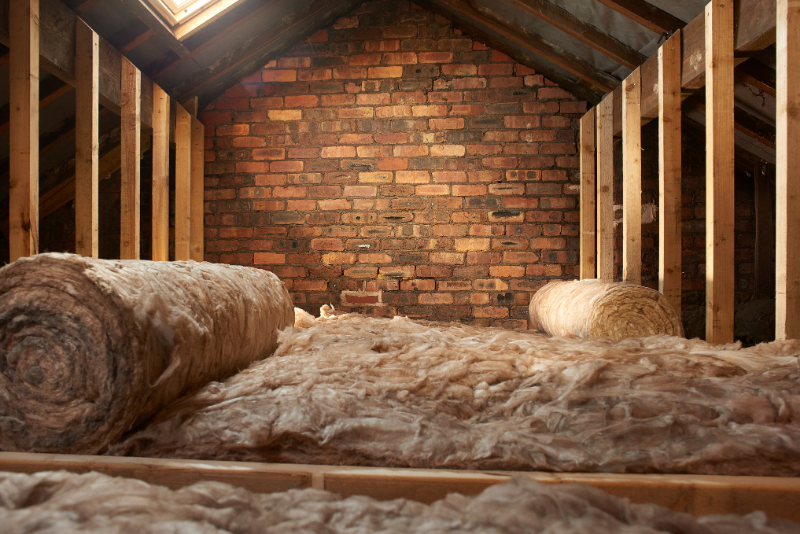
Loft Insulation

A significant amount of heat can escape through an uninsulated roof. Adding or upgrading loft insulation is often one of the most cost-effective improvements.

Loft Insulation

Wall Insulation

Cavity wall or solid wall insulation can help reduce heat loss and improve overall efficiency.

Wall Insulation

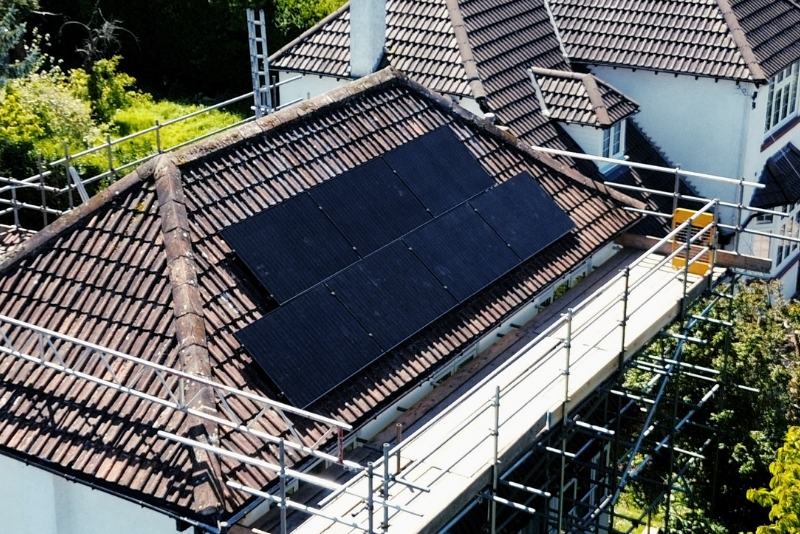
Solar Panels

Solar PV systems generate renewable electricity and can improve a property's energy performance.

Solar Panels

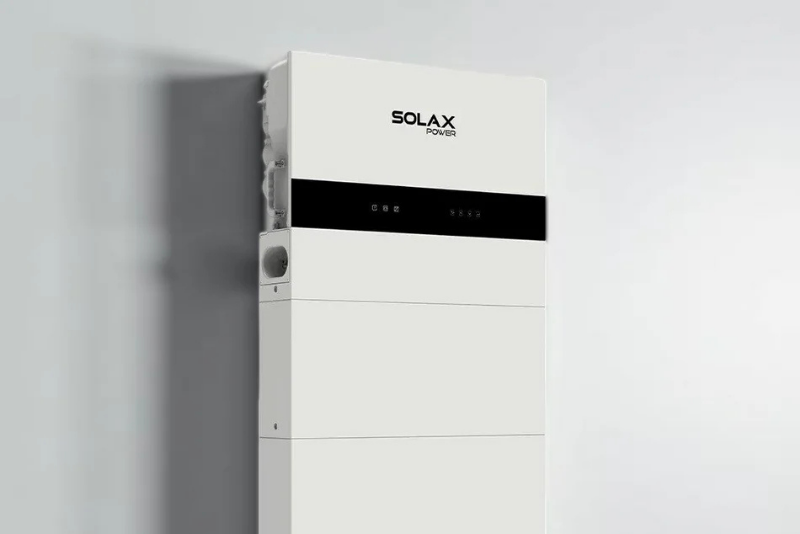
Battery Storage

Battery storage allows homeowners to store unused solar energy for later use, helping to reduce reliance on the grid.

Battery Storage

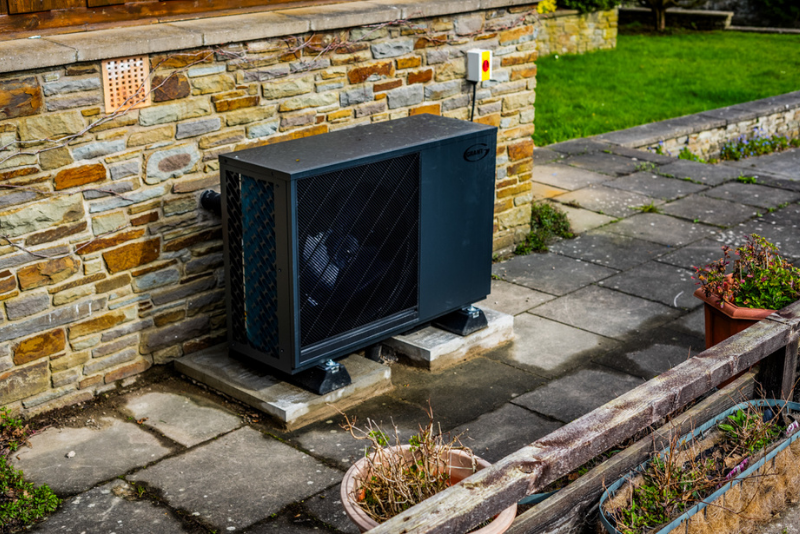
Heat Pumps

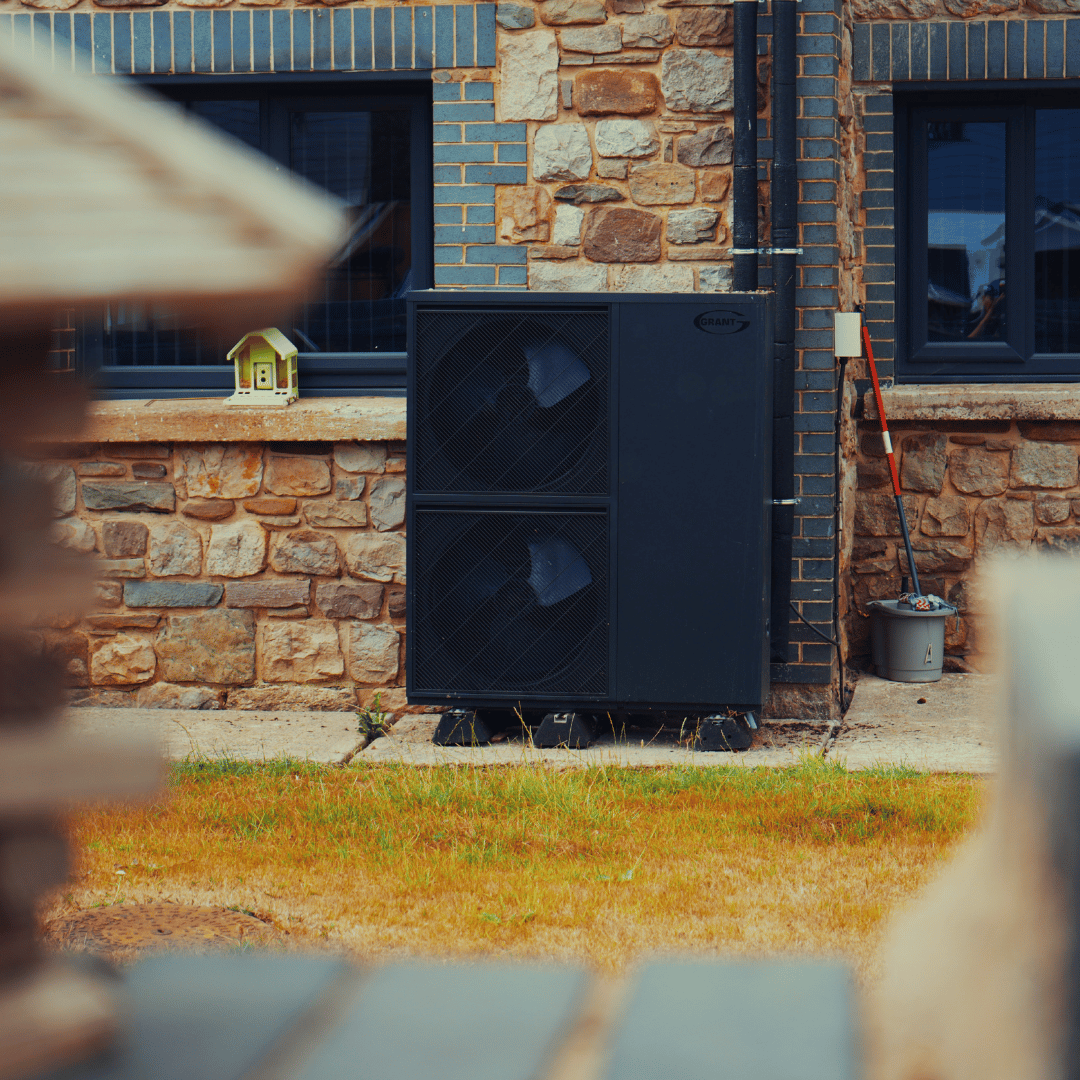
Air source heat pumps can provide efficient heating and may improve a home's energy performance when combined with other upgrades.

Heat Pumps

ARTICLES

View all

What Does EPC Rating F Mean?

An EPC rating of F indicates that a property has poor energy efficiency and may be losing more heat than necessary, leading to higher energy bills and reduced comfort. In this guide, we'll explain what an EPC F rating means, the common causes of a low rating, and the practical improvements that can help boost your home's energy performance.

Continue reading
EPC Rating

What Does EPC Rating E Mean?

Wondering what an EPC rating E means for your property? An EPC rating of E indicates that a home has below-average energy efficiency and could benefit from improvements such as insulation, solar panels or heating upgrades. In this guide, we'll explain what an EPC E rating means, how it affects energy bills, and practical ways to improve your home's energy performance.

Continue reading
New Build Development with Solar Panels

Wales’ Solar Mandate

From March 2027, Wales will require renewable electricity generation in every new‑build home - effectively making solar the go‑to choice for developers. Published: March 17, 2026

Continue reading

Boiler Pressure Explained

Boiler pressure plays a key role in keeping your heating system running safely and efficiently. Learn what it should be and how to fix common pressure issues. Published: January 27, 2026

Continue reading

Boiler Replacement: Guide for Homeowners

Old or unreliable boiler? Discover when it’s time to replace it and how a modern system can improve efficiency and comfort. Published: January 27, 2026

Continue reading

Boiler Installation Costs & Ways to Pay

Discover how much a new boiler costs and explore flexible payment options to suit your budget, including monthly finance plans. Published: January 27, 2026

Continue reading